Heavy machinery parts
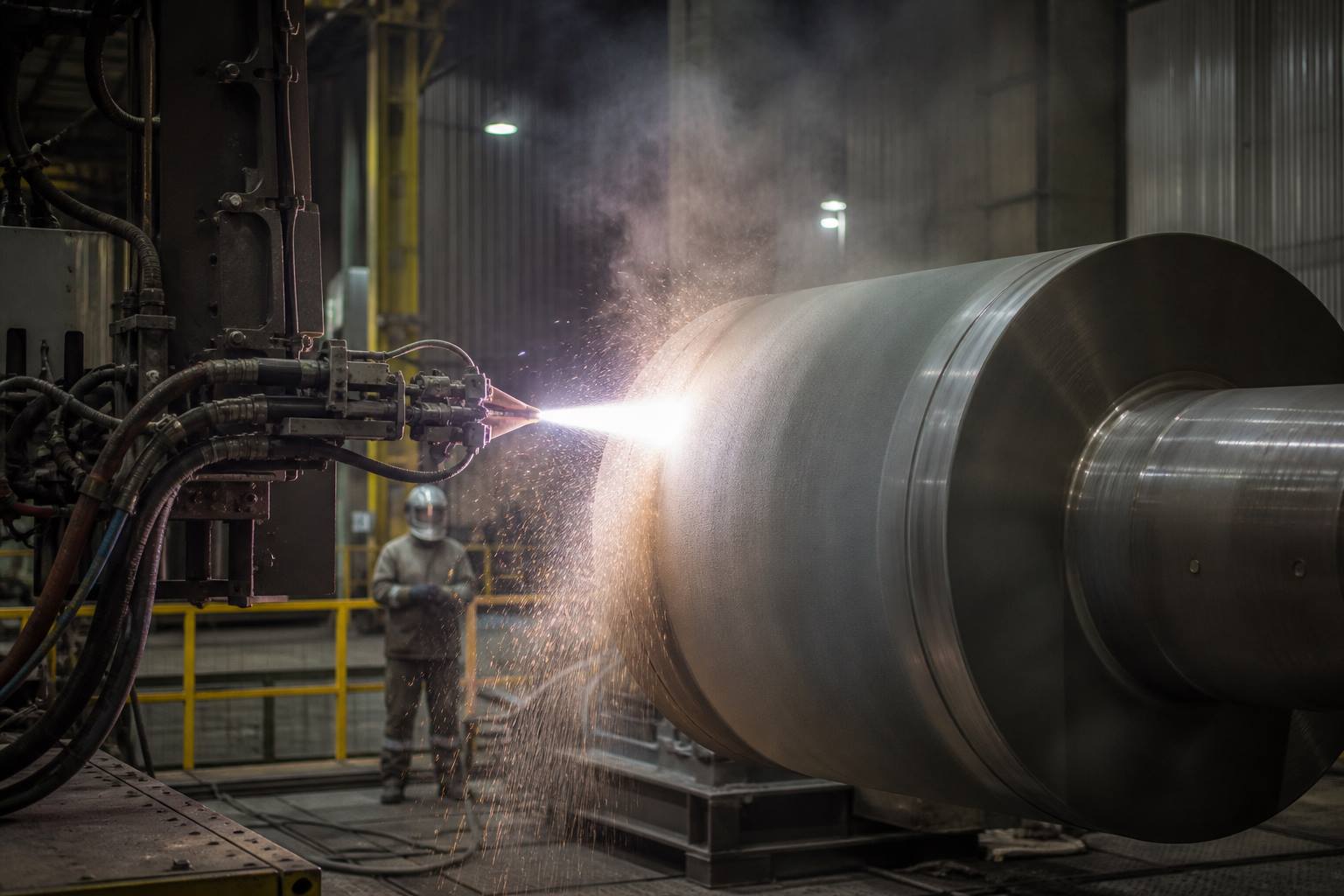
Booms, crushers, mills, and haul trucks eat pins and rods for breakfast. A new forging is a calendar. A coated rebuild is often still round enough to pin together before the next shift argument.
Hydraulic rods want dense HVOF and a seal finish — super finishing after diamond grind. Pins and bushing lands that see impact may want laser cladding instead of a splat layer; the cladding clip is the picture. Big shafts that are merely undersize still eat wire arc. OD is the default geometry; odd bores go to ID.
Dirt, bent parts, and cracks are the enemies. Spray does not straighten a banana. Penetrant on FPI is cheaper than a pin that lets go in the pit. The life-extension numbers on Our Company were written with mines and construction fleets in the room. Quality still wants a traveler even if the part arrived in a wooden crate with no lid.
From the home page this is “heavy industry.” On the floor it is a rod with packing scars and a boss who wants it Friday. Send diameter, stroke, and a photo of the wear. Name the machine if it helps find a like part in the file. Process family: thermal spray. Neighbor page: industries.
Do not ship a rod full of oil expecting a miracle blast. Drain it. The booth will thank you by not inventing a bond failure.
Dirt and bananas
Drain oil. Grind does not like packing grease baked into a blast profile. Measure pin diameter in more than one clock position; oval is common. Cladding versus HVOF is impact versus sliding, not “stronger.” A bent rod is a straighten-or-scrap talk before powder. FPI on a cracked ear is cheaper than a field failure. Photos of the boom pocket help. Machine model numbers help the file. Friday promises without remaining wall are theater. Crates for rods should not let the land roll against steel. The home page life-extension numbers still apply when the substrate is honest and the drawing is not a sketch on a glove.