Glass manufacturing
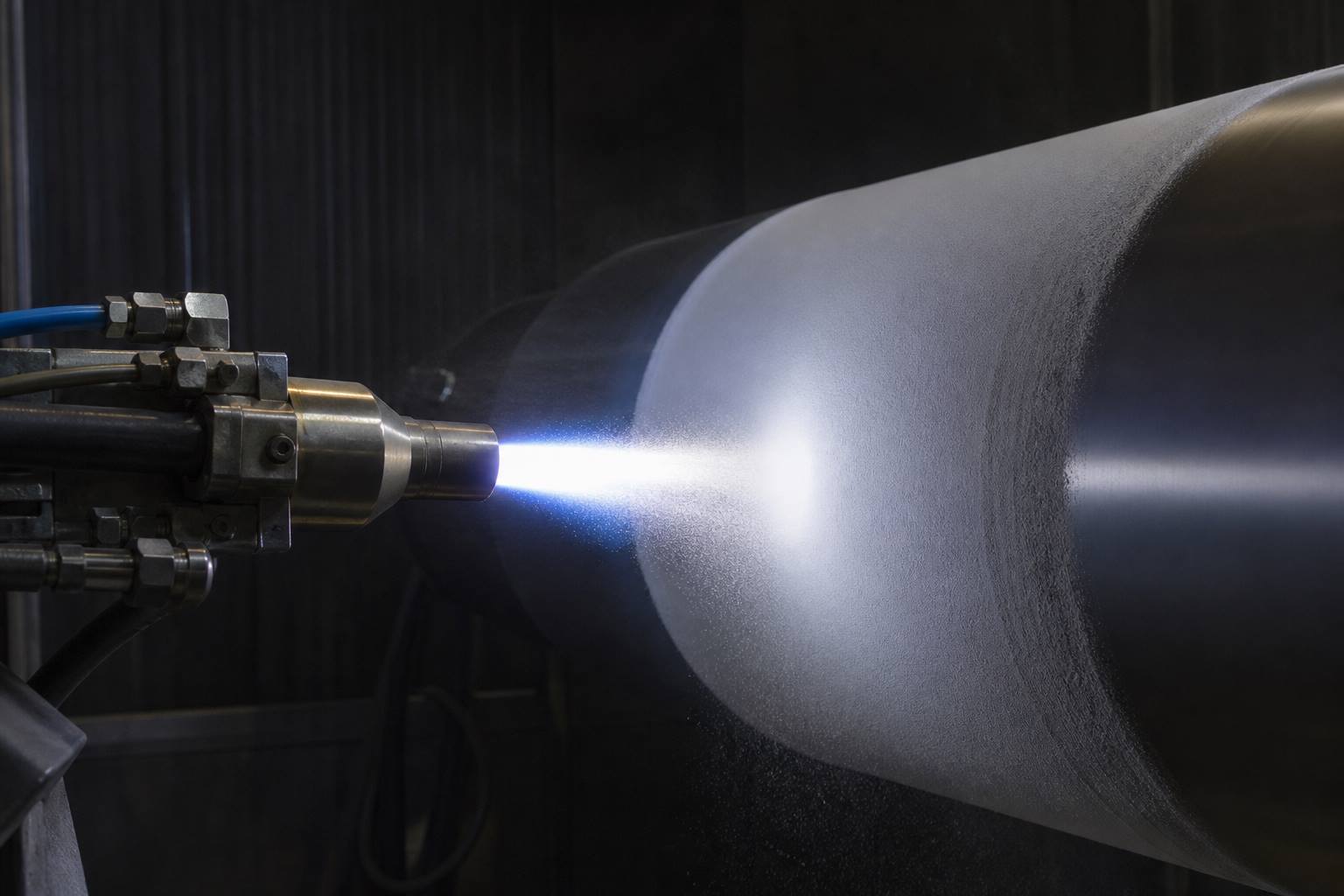
Glass plants run hot and sticky. Coatings on forming tools and line rolls have to survive thermal cycling and a material that would rather glue itself to a land than slide.
This is the clean URL for the same work as the legacy glass-manufacturing.php file. Plasma ceramics, selected metallic overlays, and occasional combustion wire on handling gear are the usual menu. A carbide that wins on a mill roll can lose here if glass sticks. Texture after grind is part of the specification, not an afterthought — see diamond grinding when the ceramic is hard enough to mock a conventional wheel.
St. Louis Metallizing does not blow bottles. It keeps the tools in the line. Travelers, gages, and a temperature-controlled grind still apply; read Our Company and Quality. From the home page and industries list, glass is a specialist aisle.
Failures split into stick, wash, and heat check. Name which one you have. Photos of the contact face after a wreck help more than a brand name of the forming machine. Send temperature and glass chemistry if you know it. Process primer: thermal spray.
Do not assume a printing-cylinder finish. Ink and molten glass are not cousins in this booth.
Stick is not wear
If glass glued itself to the land, hardness is the wrong first question. Texture, chemistry, and temperature belong on the RFQ. Forming tools and conveyor rolls fail differently. Do not borrow a printing-cylinder finish. The PHP legacy URL is the same booth if your bookmark still points there. Plasma is common; metallic overlays appear when stick is not the killer. Heat check wants a different conversation than abrasive wash. Send a wrecked plunger if you can spare it; coupons lie less than adjectives. This shop will not pretend to be a glass works. It will put a land on the tool and grind it so the line can start again. Night forming crews still need a crate that arrives without a chip in the ceramic, which is a packaging sentence, not a coating slogan.