Electric wire arc spray
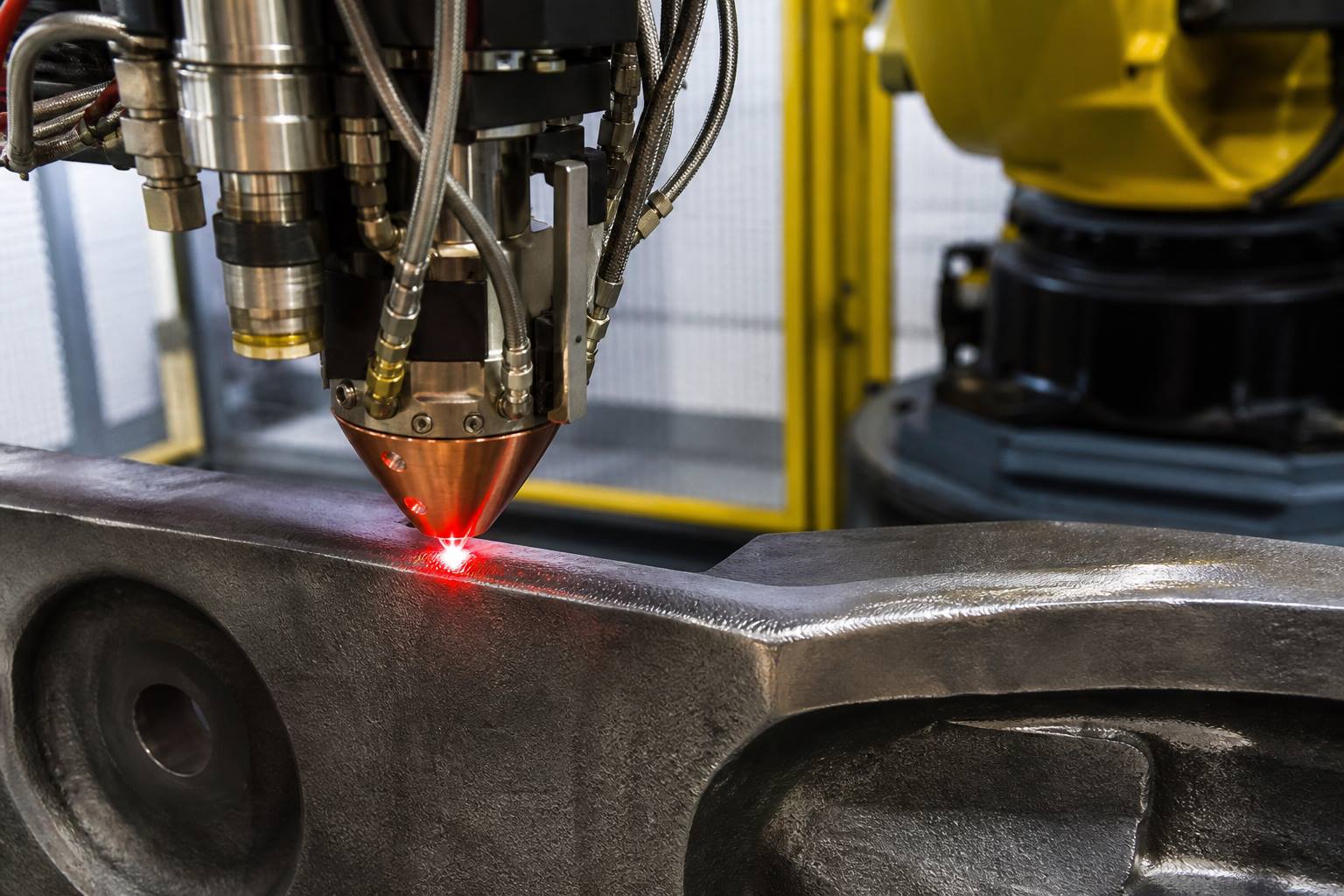
Two wires, an arc between them, and compressed air shoving the molten droplets onto the part. Electric wire arc is how this shop puts pounds of metal back on a large outside diameter without pretending every job is a carbide jewel.
Steels, bronzes, and selected corrosion alloys feed the guns. Bond is still mechanical, so blast quality matters as much as it does on HVOF, but the economics favor thickness and speed. A worn mill roll, a press cylinder that lost chrome years ago, or a shaft that must come back to bearing size before a planned outage is the usual story. Heavy machinery shafts show up looking oval; arc spray plus grind makes them round enough to assemble.
Arc spray is noisy, bright, and honest about porosity. Sealers exist. So do grind allowances that assume the coating will cut differently than the base. Operators who treat it like paint leave islands and thin spots that fail at the packing. The procedure lists passes, overlap, and when to stop for temperature. After the gun, the part is a machining problem again — often taper grind or a straight OD if the print is kind.
Compared with combustion wire, arc is typically faster on steel rebuilds. Compared with cladding, it will not give you fusion on an edge that is washing. Use the right cousin. Printing plants that only think in ceramics still send some iron cores here for a steel build before the ceramic land — the desk on printing will say when that sandwich makes sense.
The home page mentions deposition rates up to sixty pounds an hour; arc is often the process hiding in that number. If your drawing still says “metallize” in a 1970s hand, this is probably what they meant. Call with diameter, length, and how much is missing. A photo of the wear land beats a novel. Quality paperwork follows the same traveler discipline as the rest of the building; see Quality.
Arc spray without folklore
Measure how much diameter is missing in more than one place. Oval shafts that get a single “add 0.080” note come back looking round in the middle and thin at the ends. Tell us if a sealer is allowed in the pores. Tell us the grind finish, because arc metal does not cut like the parent steel. If the part is a printing core under a ceramic land, say which layer failed. Noise in the booth is normal; mystery chemistry in the wire is not. Lot numbers on the spool belong on the traveler the same day the gun runs.