Diamond grinding super finishing
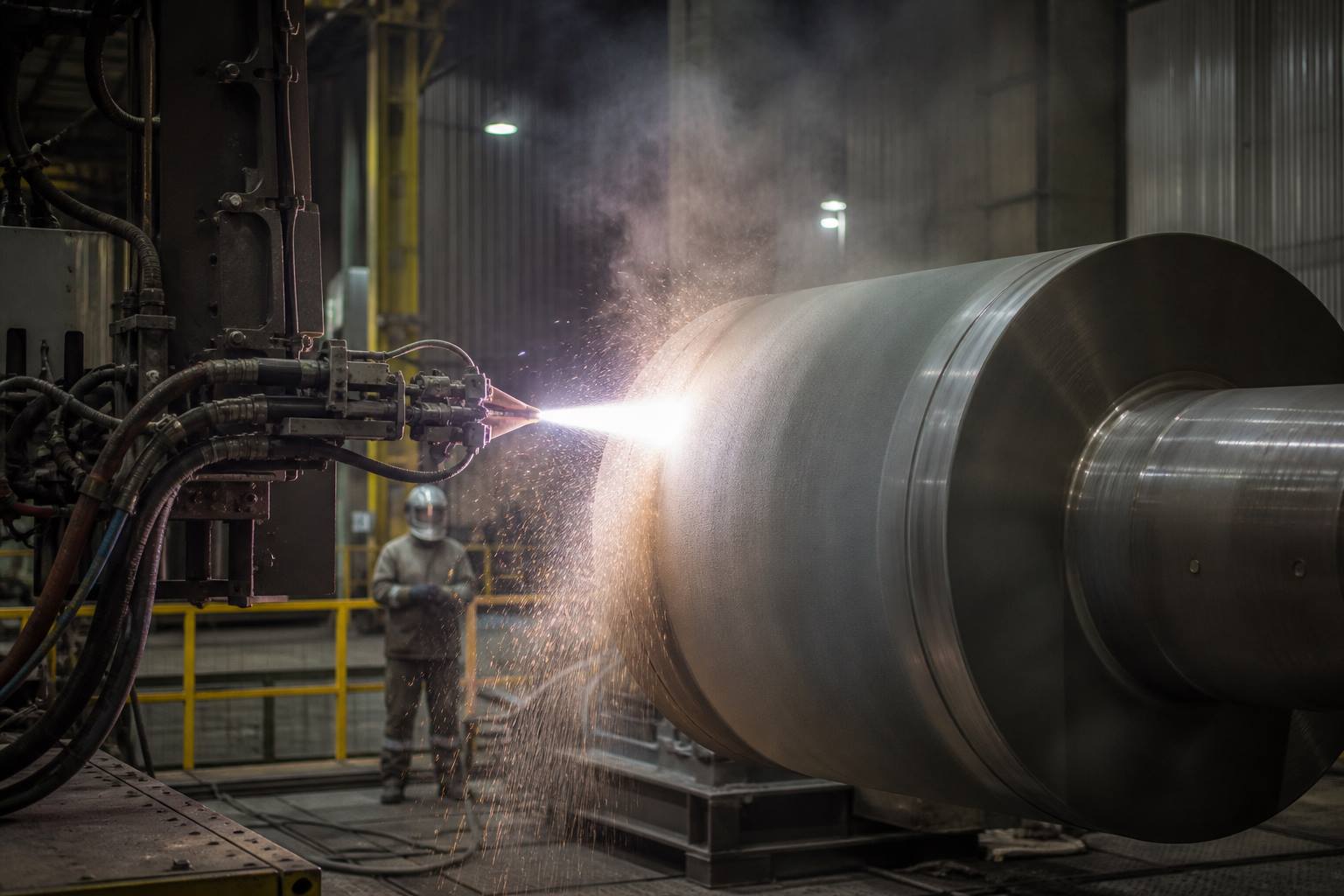
Super finishing is the quiet step after the diameter is already honest. Diamond stones or tapes take the peaks off a ground carbide or ceramic land so ink, packing, or a seal does not chew itself to death on as-ground ridges.
Printing cylinders are the obvious customers. A roll can be round and still print dirt if the texture holds ink in the wrong places or scores a doctor blade. The cylinder exchange program assumes this finish exists, not that someone will “run it in” on the press. Hydraulic rods and seal journals from heavy equipment ask for the same kindness in a different language: Ra and bearing ratio, not anilox folklore.
This is not a substitute for carbide grinding. If the part is lobed, super finishing polishes the lobe. Sequence is grind to size and geometry, then finish. Coolant cleanliness matters; a chip trapped under a stone writes a helix you will find at the customer. Inspectors record Ra because the quality system does not accept “it looks shiny.”
Some plasma ceramics want a different finish than HVOF carbides. The spray traveler and the grind traveler have to agree. If they do not, the part waits. That pause is cheaper than a rejected roll. Related process choices start at thermal spray and at printing.
From the home page this may look cosmetic. Field failures say otherwise. Put the Ra target and the mating material on the request. If you only have a failed blade or a leaking packing, send that too. Shop background for why printing customers get a dedicated desk is on Our Company.
Texture is a specification
Write the Ra, Rz, or bearing ratio you actually need. “Make it shiny” is how doctor blades die and packings weep. Printing cylinders and hydraulic rods share this bay and nothing else; do not copy a finish from the other trade. Stones and tapes load up if the grind left a lobe, so geometry has to be honest first. Chip control in the coolant is part of quality, not janitorial work. If the ceramic and the carbide lots share a day, they still do not share a stone. Send a failed blade or a leaking packing with the request so the finish argument starts from evidence.